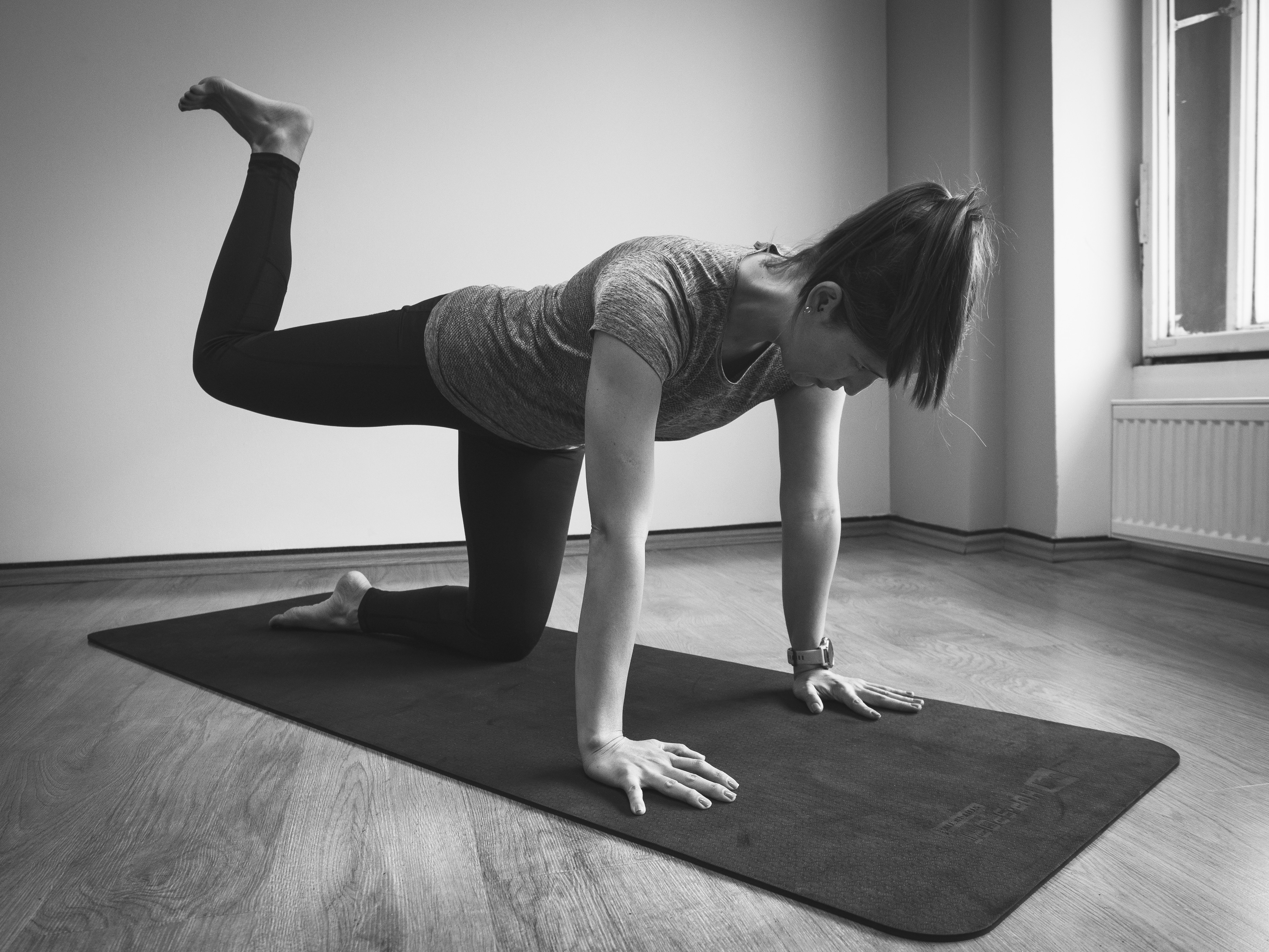
Most people train muscles while completely ignoring their joints. However, your muscles can only function as well as the joint system beneath them allows. When your nervous system loses the ability to control individual joints independently, the body begins to compensate—leading to overloaded lower backs, knees, or shoulders.
In this purely practical workshop, we will go step-by-step through a complete body scan using Controlled Articular Rotations (CARs) from the Functional Range Conditioning (FRC) system.
What exactly will you experience and learn?
-
Full-Body Movement Scan: We will go joint by joint—from the cervical spine, shoulders, and shoulder blades, through the thoracic and lumbar spine, all the way down to the hips, knees, and ankles.
-
Identifying Your Blind Spots: You will experience firsthand which joints are under your control and where your body "cheats" by borrowing movement from elsewhere.
-
Common Mistakes & Compensations: We will highlight the most frequent errors people make when attempting full joint ranges (e.g., rotating the pelvis instead of the hip, extending the neck instead of moving the thoracic spine).
-
Custom Corrections & Regressions (Setups): You will learn how to modify exercises using different positions (half-kneeling, quadruped, wall-supported, or with yoga blocks) to eliminate compensation and truly isolate the target joint.
-
Daily Joint Hygiene Routine: You will leave with a clear 5-to-10-minute home routine that serves as daily joint maintenance, a great morning start, or the ideal warm-up before any workout.
Who is this workshop for?
-
Anyone looking to move pain-free: You want to uncover why specific areas hurt during workouts (or daily life) and address the root cause, not just the symptom.
-
Athletes and gym-goers: You want to improve coordination, body awareness (proprioception), and build a solid foundation for heavier strength training.
-
Personal trainers and physiotherapists: You want to gain a precise tool for diagnosing and correcting movement patterns in your own clients.